Beyond the logo: Branded merchandise with meaning
There’s a marketing channel that delivers an average of over 2,500 brand impressions per item, outlasts most digital campaigns, and physically sits on your client’s desk, in their bag, or on their back, often for years. And yet it still gets treated as an afterthought, signed off at the bottom of an event budget.
Branded merchandise, done well, isn’t a nice-to-have. It’s one of the most cost-effective brand-building tools available to marketers, and the gap between brands that use it strategically and those that don’t is increasingly visible.
Start with purpose, not product
The most common mistake isn’t choosing the wrong item – it’s not knowing why you’re creating it in the first place.
Are you building long-term relationships with key clients? Onboarding new staff? Maximising visibility at a large event? Reinforcing a brand repositioning? Each of these calls for a completely different approach, and when you start with that question, the right product usually becomes obvious. When you skip it, you end up with something that ticks a box but achieves very little.
Short-term reach vs long-term presence
Not all merchandise is meant to last, and that’s fine, as long as it’s intentional.
High-volume, high-impact items work brilliantly when you need reach: events, retail promotions, campaign moments. The measure of success isn’t longevity, it’s visibility, shareability and memorability in the moment.
Premium, longer-lasting items serve a different purpose. A beautifully made piece that earns a place in someone’s daily routine keeps your brand front of mind long after a campaign has ended. For client gifting or employee onboarding, this kind of considered merchandise isn’t just a gesture – it’s a relationship touchpoint with a measurable shelf life.
Neither is inherently better. Both can deliver serious return. The question is which one fits your objective.
Make it unmistakably yours
The best merchandise doesn’t need someone to squint at the logo. The colour, the finish, the form, it all signals your brand before they’ve read a word.
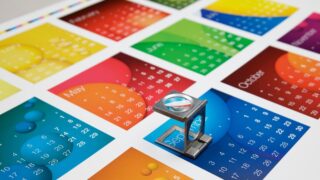
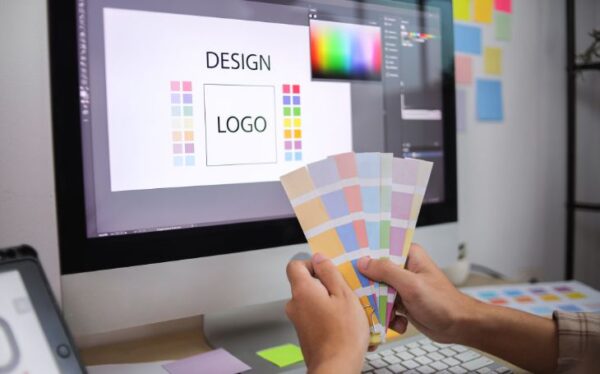
That means thinking beyond print placement. Can the product be Pantone-matched to your brand palette? Does the texture and finish align with how your brand feels -matte and minimal, or bold and tactile? Is the tone right – functional and serious, or playful and unexpected?
These details are what means the difference between products that resonate with your brand vs those that are simply just ‘products’.
Values aren’t optional
The product itself communicates as much as the branding on it.
If sustainability is core to your brand positioning, then recycled, responsibly sourced or reusable materials aren’t a bonus feature, they’re a baseline expectation. Choosing otherwise sends a message you probably didn’t intend.
Equally, a premium brand handing out low-quality items risks undermining the very perception it’s spent years building.
If you’re in a practical, hands-on industry, functional items may resonate more than decorative ones.
Think about functionality too – does the item make sense for your audience? A travel-focused brand might choose portable, multi-use products, while an office-based business might lean into desk essentials.
Consistency matters. Merchandise is a brand touchpoint like any other. The closer the product reflects your brand values, the more authentic and credible it feels.
Quality means appropriate, not expensive
A well-executed, affordable item that creates a genuine moment of engagement can outperform an expensive gift that misses the mark. Quality isn’t about price point – it’s about whether the product feels consistent with your brand and delivers on its purpose.
A festival giveaway used for one afternoon can still be highly effective if it’s visible, shareable and on-brand. A staff jacket worn daily for three years delivers thousands of impressions over its lifetime. The mistake isn’t choosing affordable over premium, or vice versa – it’s choosing something that doesn’t serve your wider marketing objectives.
Merchandise that earns its place
When merchandise is chosen with intention, when the product, the purpose, the recipient and the brand all align, it stops being a line item and starts being a genuine marketing asset.
It’s tangible in a way digital never can be. It travels. It stays. It gets noticed by people your original campaign never reached. And for the right brands, in the right context, it builds the kind of familiarity and warmth that’s very hard to buy any other way.
That’s the standard we hold ourselves to and it’s the question worth asking before any brief lands: not what shall we put our logo on, but what do we want this to do for our brand?
It can also be a more challenging question to answer than you think! That’s why the team at etc. Branding is on hand – creative consultancy that can ensure every product is aligned with your brand, your audience and your objectives.
Why not get in touch to book a branding brainstorm?